Navigating New U.S. Immigration Rules for International Students
According to NPR, the Trump administration is implementing new rules that could affect those planning to study abroad.
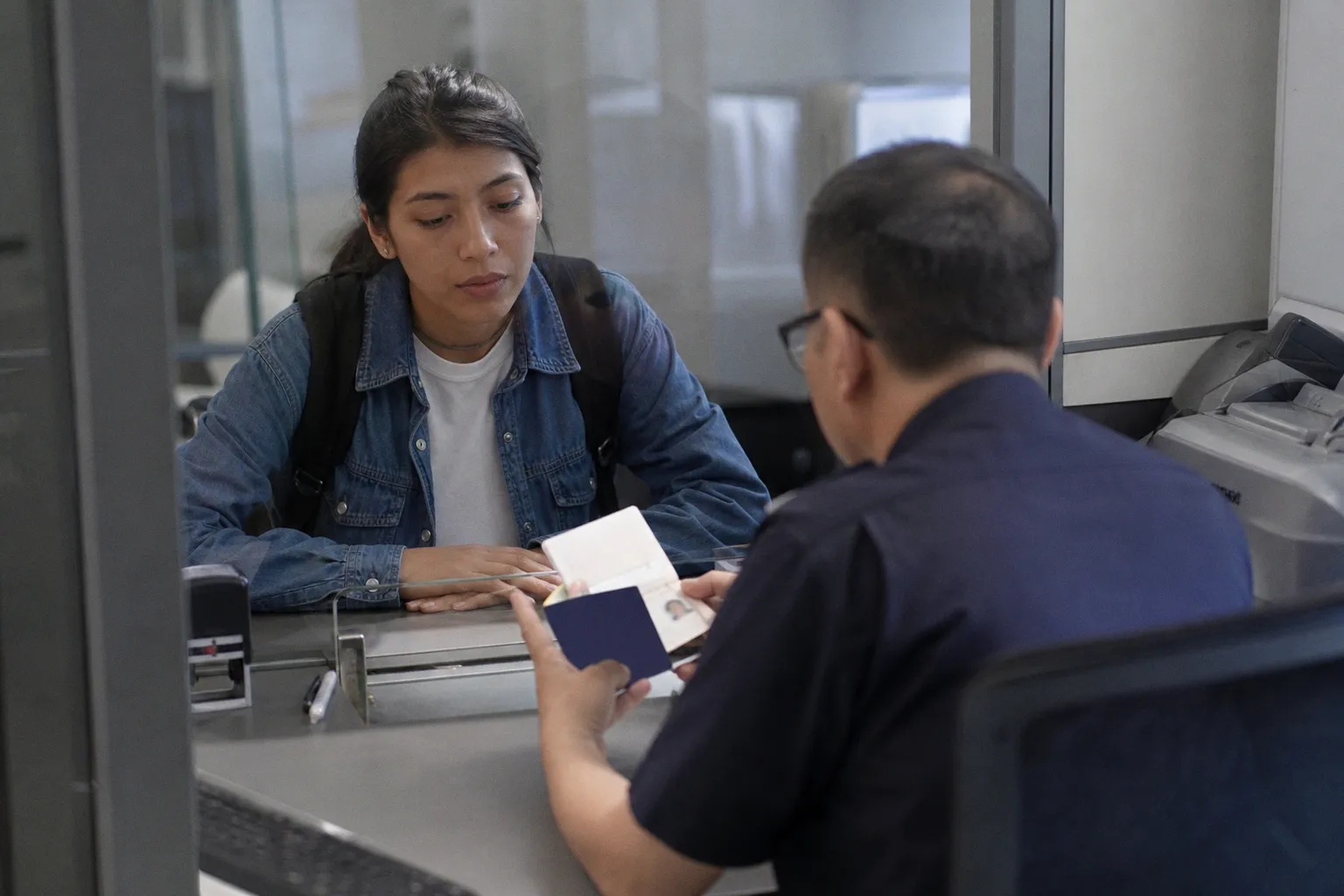
When the news hits that a major destination country like the United States is reviewing its rules for international students, it’s natural to feel a mix of uncertainty and concern. According to NPR, the Trump administration is implementing new rules that could affect those planning to study abroad. Keep in mind that while the specifics are still unfolding, this development is part of a wider global pattern where immigration and education policies are in a state of flux. For you, the key isn't to panic, but to understand the context and take proactive steps for your own journey.
Navigating a Shifting Global Landscape
Essentially, policy changes in one country often signal broader trends. While the NPR report focuses on the U.S., recent headlines show other major study destinations are also adjusting their frameworks. For instance, legislation is expected this fall for a new £925 annual levy on international students in England, with trials potentially starting in the 2026/27 academic year. This means the financial planning for studying in England is about to get a new variable.
At the same time, positive news exists. Data from Immigration New Zealand indicates that 3,501 visas were approved for full-fee international students in June 2026, the highest monthly total in at least a decade. This suggests that demand remains strong and that certain pathways are not just stable but growing. The takeaway is that the global education map is being redrawn; staying informed on multiple fronts provides you with a crucial buffer.
Your Practical Playbook for Peace of Mind
So, what can you do right now? First, keep a vigilant watch on official sources. For any country on your list—be it the U.S., the UK, or elsewhere—bookmark their official immigration or education department websites. Rumors spread quickly, but your planning should be based only on confirmed announcements from authorities. This is your primary defense against misinformation.
Second, accelerate your alternative plan research. If your sights were set solely on one destination, this is your cue to actively explore others. Consider countries with welcoming trends, like New Zealand, or look into programs in nations with established, clear post-study work pathways. Expanding your options isn't a retreat; it's a smart strategy for building resilience into your future.
Looking Ahead: Technology as a Constant
Amidst these administrative shifts, one trend continues to shape student choices powerfully: the pivot toward technology-focused degrees. According to recent data, over half of international students in the U.S. are enrolled in STEM fields, with math, computer science, and engineering dominating. This isn't just an American phenomenon—it's a global career signal. Degrees in AI, data science, and analytics are becoming a universal language of employability.
If you're weighing your program options, integrating a technical skillset with your broader academic interests can be a robust strategy. It prepares you not just for the jobs of today, but for the evolving demands of industries worldwide, regardless of the specific visa policy headlines you might be reading next. The journey to your degree may have more twists than you initially mapped out, but by staying informed, flexible, and focused on tangible skills, you can navigate it with confidence.