Why Nearly Half of Canadian Study Visa Denials Are Avoidable
When your study permit gets refused because you couldn't prove you had the funds — even though you actually did — it feels like the system is working against you.
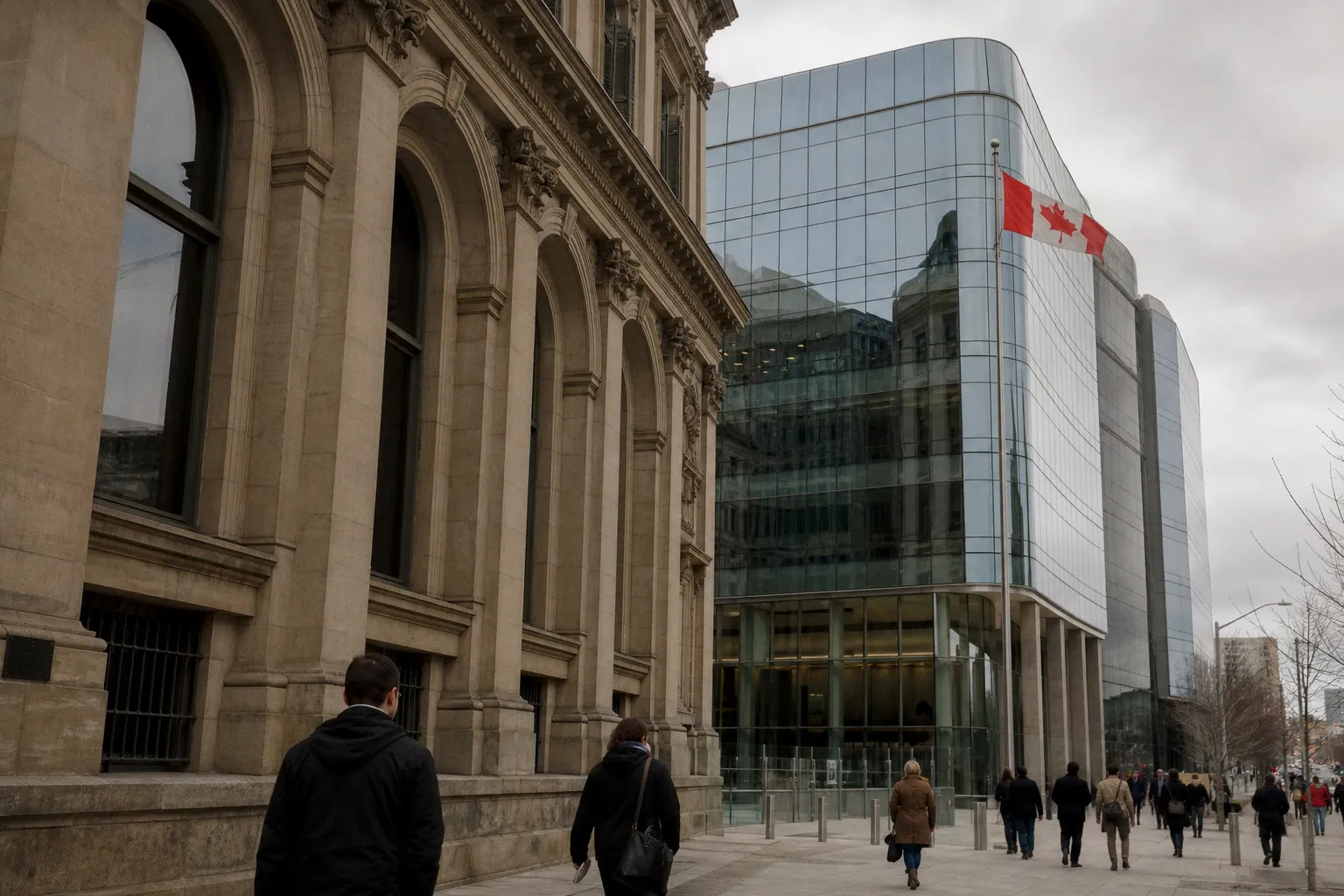
Keep in mind, though, that a new analysis suggests the barrier is rarely about whether you qualify. According to ApplyBoard's recently launched 'Trust Centre,' nearly half of Canadian study permit refusals in their sample of over 2,800 decisions from June 2026 were deemed essentially preventable. That's a significant number, and it tells us something important: how you prepare and present your application matters just as much as what's in it.
The money problem is fixable
Here's the core issue. In 47% of the refusals analysed, the visa officer cited lack of financial documentation as a reason. But as ApplyBoard CEO Meti Basiri explained, many of these students likely had the money — they just couldn't prove it in a way an officer could trust. Think of it this way: if you're a visa officer reviewing hundreds of applications, you need clear, verifiable evidence that funds are genuinely accessible and sufficient. Bank statements that are incomplete, funds that suddenly appeared without explanation, or documentation that doesn't match the cost of living in your chosen province — any of these can raise red flags.
The fix? Essentially, give yourself a buffer. Gather financial documents early, make sure they're consistent, and if someone is sponsoring you, include clear proof of that relationship and their ability to support you. Don't assume the officer will connect the dots — spell it out.
Other reasons you can avoid with the right prep
Financial paperwork wasn't the only factor. In about 10% of cases, having family members on the application prompted stricter review — not an automatic refusal, but it does mean officers look more closely at ties to your home country. The same percentage of refusals came from expired Provincial Attestation Letters (PAL) or Territorial Attestation Letters (TAL), which lead to automatic denial. That one is straightforward to navigate: check your letter's validity before you submit.
Perhaps the most sobering finding? Just 2% of refusals involved students who had hidden past visa refusals from any country. Officers treat this as misrepresentation, and it triggers a five-year ban. ApplyBoard noted that most of these students would likely have been approved if they had simply disclosed it. If you've been refused before, don't panic — but do be transparent. Honesty gives you far more peace of mind than hoping a previous refusal won't show up.
What the bigger picture means for you
The timing of this data matters. Canada's overall study permit approval rating dropped to 36% last year, and the country welcomed fewer first-time international students than even during the pandemic years. Approval rates are recovering, but unevenly — they swing widely from one province to the next, so researching your specific destination province's trends is worth the effort.
On the flip side, the analysis also highlighted what helps: students who had already completed a degree and held a conditional offer tended to stand out positively. Prepaying extra tuition fees, interestingly, did not make a meaningful difference in outcomes.
So what should you take away? Essentially, your application tells a story about you. Make sure that story is complete, consistent, and honest. Double-check your financial documentation, verify that your attestation letters are current, and disclose any previous refusals upfront. These are steps within your control, and they can make the difference between an approval and an avoidable denial. Keep in mind that navigating the process carefully now saves you time, money, and stress down the road.