How Global University Fairs Help Students Build a Strategic Admissions Roadmap
According to Business News This Week, Beyond 8 brought more than 30 Indian and international institutions together with over 100 learners and parents at its inaugural “Voyaging” higher-education exploration event in Chennai.
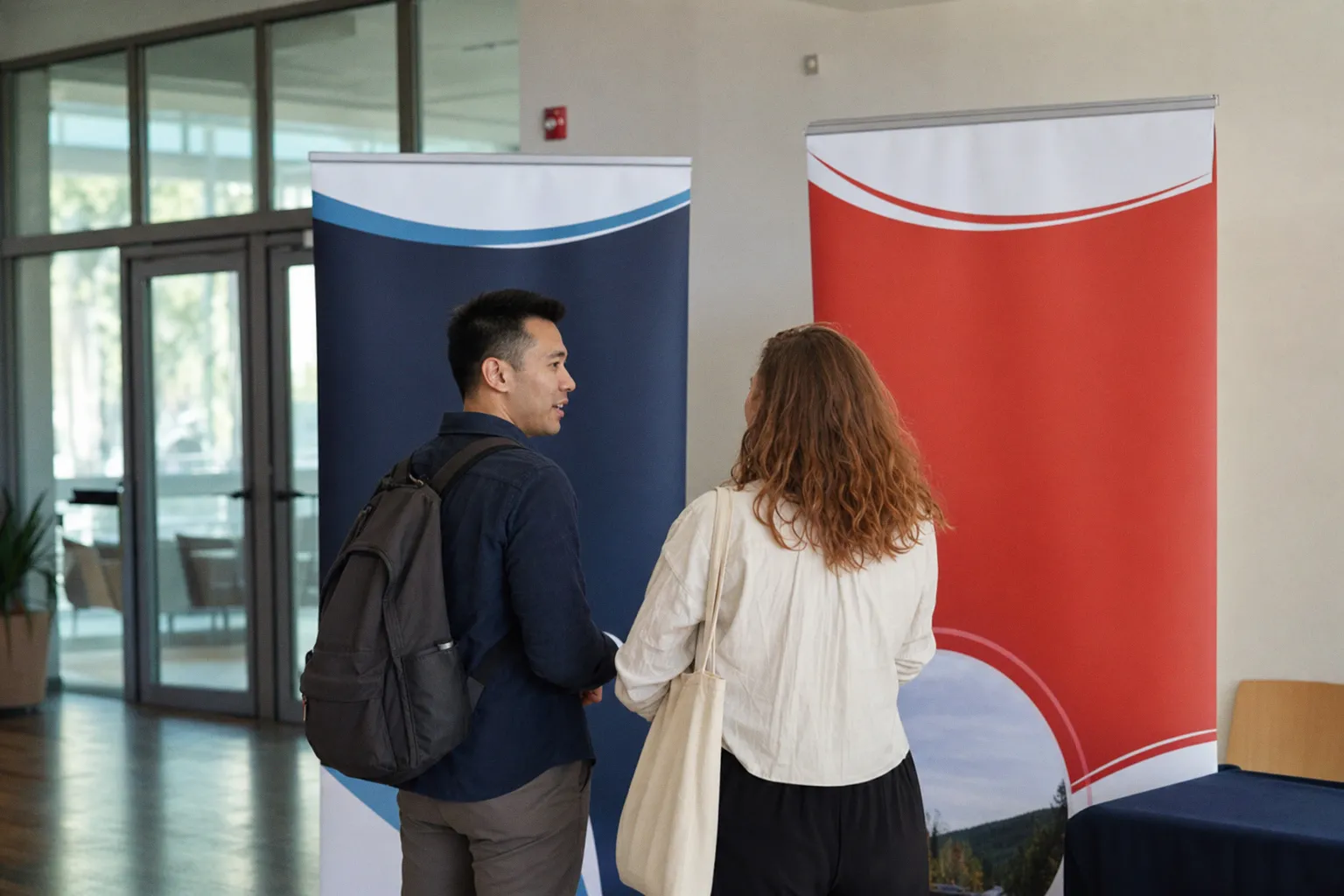
The event targeted students in Grades 9–12 and focused on direct contact with admissions representatives, programme exploration and application-process discussions. For applicants, the useful metric is not attendance: it is whether such access produces a defined shortlist and a documented admissions plan.
The institutional mix matters more than the event format
Voyaging was held on 18 July at the Beyond 8 Academic Center in Palavakkam. Participating institutions reportedly included Arizona State University, Baylor University, Illinois Institute of Technology, Monash University, San Diego State University, Syracuse University, UC San Diego, the University of Birmingham, the University of Leeds, Trinity College Dublin and Ritsumeikan Asia Pacific University.
The list also included Indian universities such as Ashoka University, FLAME University, Krea University and O.P. Jindal Global University. This is a useful baseline for students considering both domestic and overseas routes rather than treating international admission as the only high-value outcome.
A multi-university event can reduce the information gap early in the process. It does not, by itself, establish admission probability, scholarship eligibility or programme fit. Those remain institution- and applicant-specific variables.
Convert conversations into application evidence
Beyond 8 said attendees took part in one-to-one discussions, programme consultations and career-guidance sessions. For a Grade 9–12 student, the highest-value output from these conversations should be a comparison record, not a collection of brochures.
The practical sequence is straightforward:
- Record the exact programme name, campus and intended entry term discussed.
- Separate published requirements from information provided verbally by a representative.
- Identify the academic threshold: subject preparation, examination expectations, English-language requirements and application components.
- Ask whether scholarships are merit-based, need-based, automatic or separately competitive.
- Establish the next action and its deadline: information session, portfolio requirement, test planning or application opening.
Applicants often make a basic error at this stage: comparing university brands while ignoring programme-level conditions. A university may offer several relevant pathways, but the threshold can change by faculty, degree structure or entry route. The correct comparison unit is the specific programme, not the institution’s name.
Guidance is useful when it narrows the decision set
Beyond 8 described personalised mentoring intended to align academic pathways with students’ interests, strengths and longer-term career goals. That framing is operationally sound if it results in fewer unsupported choices.
Students should leave an event of this type with three categories: realistic options, stretch options and programmes requiring more evidence before any application decision. The evidence may include stronger grades, a clearer academic direction, test preparation, additional course prerequisites or a verified funding plan.
Parents also attended Voyaging and received information on global education trends, scholarships, career prospects and admission requirements. Their role is most effective when it improves process control: tracking costs, deadlines and documents without substituting assumptions for confirmed institutional policy.
The event’s stated ambition is to expand access for learners across India. The relevant measure for future editions will be more precise: whether participating students can move from early exploration to programmes whose entry requirements, financial terms and academic fit they have independently verified.