India Sees 19% Rise In Foreign Students; Karnataka Leads
When you are choosing a study destination, one quiet but important question is: “Will I be part of a real international student community, or will I feel like the only one navigating forms, housing…
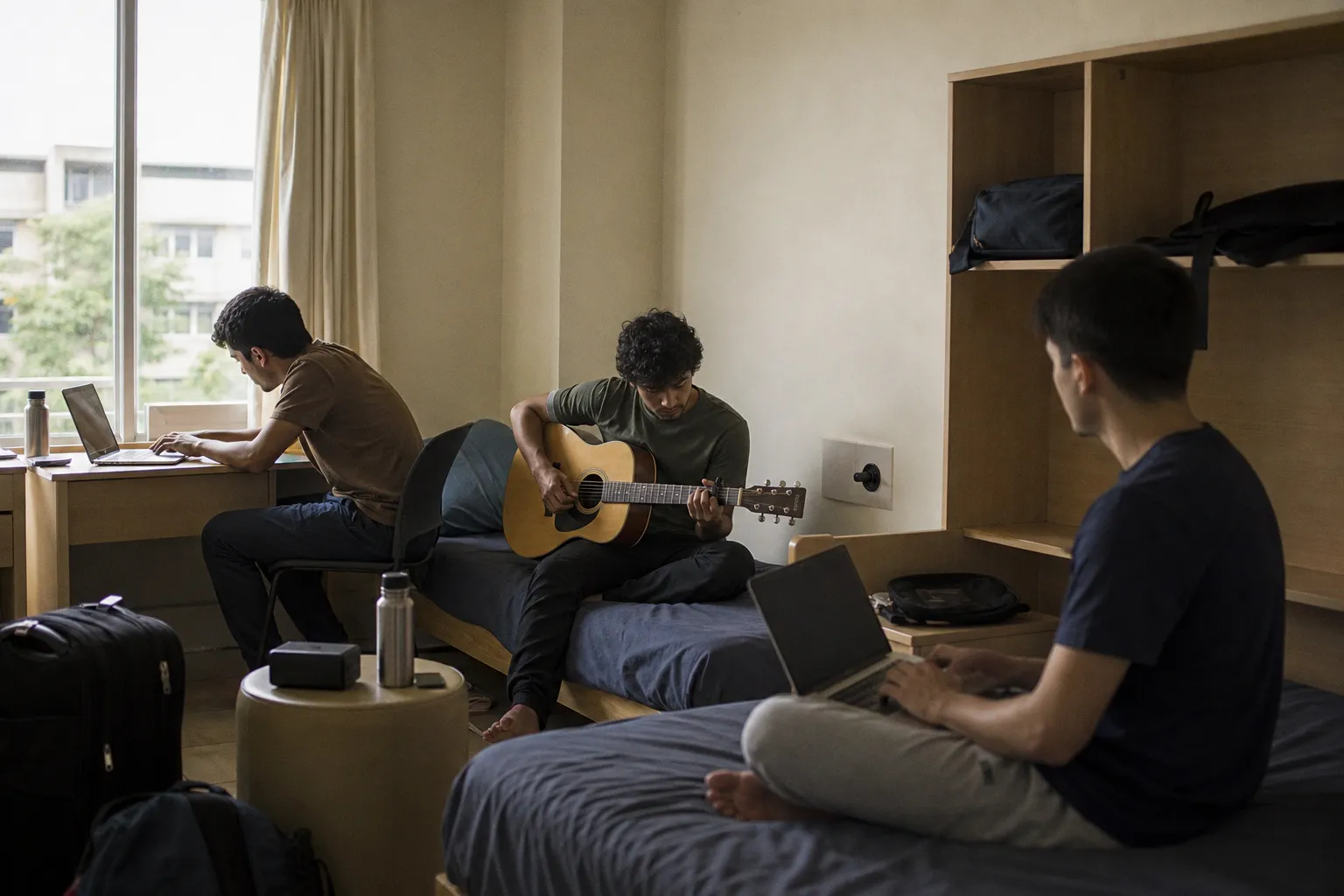
When you are choosing a study destination, one quiet but important question is: “Will I be part of a real international student community, or will I feel like the only one navigating forms, housing, and campus life from scratch?” India’s latest higher education data suggests that foreign student enrolment is growing, with Karnataka now reported as the leading host state. For you, that does not just signal popularity — it is a cue to check where support systems, accommodation demand, and peer networks may be strongest.
Karnataka’s lead matters because housing follows student demand
According to reporting on the latest All India Survey on Higher Education from India’s Ministry of Education, India hosted 58,134 foreign students in the 2023–24 academic year. That is described as an 18.9% rise over five years, from 48,898 foreign students in 2019–20.
Karnataka is reported as the top destination, with 7,914 international students. Punjab follows very closely with 7,902, while Maharashtra, Uttar Pradesh, and Tamil Nadu are also listed among the top five host states.
If you are comparing Indian universities, keep in mind that a “popular” state can be both reassuring and competitive. On the reassuring side, a larger international student base often means you are less likely to be the first person asking about visa letters, hostel rules, local registration steps, or international office support. On the practical side, it can also mean that student housing near major campuses gets booked earlier, especially if many students are arriving around the same intake period.
So, if Karnataka or Punjab is on your shortlist, your next move should not be only checking rankings or tuition. Ask the university directly whether international students are guaranteed hostel places, whether private accommodation is common, and what documents landlords usually ask for. Essentially, you want to avoid the classic relocation catch-22: your visa or travel planning may require proof of accommodation, while some housing providers may prefer students who already have confirmed admission or arrival details.
Nepal leads the source-country list, but the mix is wider
The same reporting says India attracted foreign students from 173 countries in 2023–24. Nepal accounts for the largest share, at 24.1%. Other countries named among major contributors include the UAE, the US, Bangladesh, Nigeria, and Zimbabwe.
That mix is useful context if you are thinking about social adjustment. If you are coming from a country with an existing student presence in India, you may find informal support more easily — seniors who can explain local SIM cards, food options, transport, campus paperwork, and which areas are manageable for first-year students. If you are coming from a less represented country, you may need a slightly bigger buffer: arrive earlier if possible, keep extra copies of documents, and ask the university to connect you with the international student office before you travel.
The enrolment pattern is also mostly undergraduate. Reports say 73.6% of foreign students in India are enrolled in undergraduate courses, while postgraduate programmes account for 16.8%. If you are an undergraduate applicant, this suggests you are entering the largest segment of India’s international student population. If you are applying for a master’s or PhD, then it becomes even more important to check department-level support, supervisor availability, research facilities, and whether accommodation is handled centrally or left to students.
And yes, campus life is not only paperwork. If part of your weekly routine is finding people to watch matches with, following world football news can be one small way to keep a familiar rhythm while you settle into a new country.
What to check before you treat India as a “safe” option
The rise in numbers is encouraging, but it should not be your only reason to choose a campus. Treat it as a signal to ask sharper questions.
If a university is in a high-demand state, then ask for housing timelines before you pay deposits. If the institution says accommodation is “available,” ask what that means in practice: on-campus hostel, affiliated residence, private PG accommodation, or simply a list of local options. Those are very different levels of support.
If you are applying through a government-linked or university admissions route, then check how admission confirmation, fee payment, and accommodation letters are issued. You need a clean paper trail for peace of mind, especially when you are coordinating flights, family expectations, and visa-related steps.
Finally, do not assume that the most popular state is automatically the best fit for you. Karnataka’s lead shows where many students are going, not necessarily where every student should go. Your best choice is still the place where the programme, cost, housing plan, language environment, and student support line up clearly enough that you can arrive with a plan — not just hope you will figure it out after landing.