Manchester student accommodation: pre-booking checklist
Securing Your Manchester Student Accommodation: A Pre-Booking Checklist…
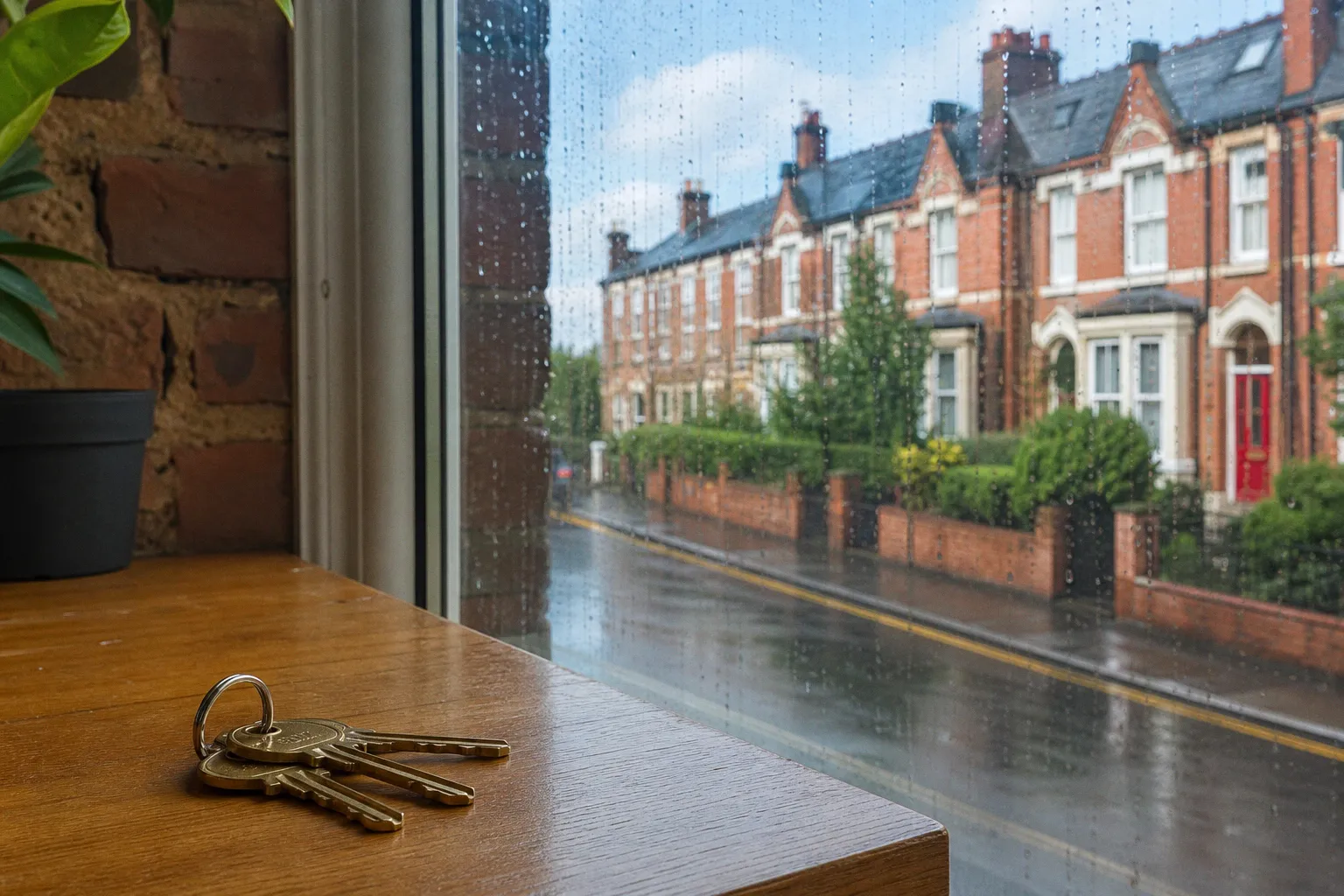
You've just opened your offer letter from a Manchester university, and the excitement is real — until you log into the accommodation portal and realise you're staring at a maze of deadlines, deposits, and acronyms like "PBSA" and "IFS," all while trying to sort out where you'll actually sleep in September. If you're an international student, the squeeze is real: many landlords won't consider your tenancy application without a UK-based guarantor, a British credit history, or proof of income you haven't yet established. This is the relocation puzzle that trips up thousands of students every year, and the good news is that Manchester has built several guardrails specifically to help you navigate it.
One important note before we go further: when it comes to visa paperwork, the UK Home Office sets its own evidence requirements, and these can change. Accommodation details may form part of what you need to demonstrate, but the exact specifications — what counts, what's optional, what format it must take — depend on your nationality, course, and the route you're applying through. Check the current UK visa guidance for your specific application rather than assuming any single document will tick the box.
This guide walks you through the essential steps to secure student accommodation in Manchester, whether you're leaning toward university halls, a private Purpose-Built Student Accommodation (PBSA), or a traditional house share in Fallowfield or Withington. Keep in mind that the earlier you start, the more options you'll have — and the more peace of mind you'll carry into your first week on campus.
Understanding University Accommodation Guarantees and Key Deadlines
The University of Manchester operates on a guarantee system designed to protect new students, but it's worth understanding exactly who qualifies and what the deadlines look like. Essentially, if you're a new full-time undergraduate student or an international postgraduate student (meaning your fee status is classified as overseas), and you submit your accommodation application by August 31, you're guaranteed a place in university-owned halls. Visiting and exchange students have a slightly earlier window: their deadline falls on July 31. February 15 is the date that returning international students need to mark on their calendar if they want to reapply for university housing.
If you're a UK-based postgraduate student, though, this guarantee doesn't apply to you. That's a common point of confusion, and it's why many home postgraduates end up in the private rental market instead. The system is calibrated around fee status rather than nationality, so a British postgraduate with home fee status is treated the same as a domestic applicant under this rule. The takeaway here is straightforward: know your category, mark the relevant date in your calendar the moment you accept your offer, and don't assume the university guarantee covers every student profile.
For Manchester Metropolitan University (MMU), the application window typically opens earlier in the year, and the process works slightly differently. MMU doesn't offer the same blanket guarantee, which means spots are allocated on a first-come, first-served basis once applications open. If MMU is your chosen institution, submitting your accommodation form early genuinely matters — not just as a formality, but as a practical buffer against your preferred room type being snapped up before you even see it.
There's another timing detail that catches students out: even when you meet the guarantee deadline, you don't automatically get your first-choice room or hall. You're guaranteed a place, but not necessarily the place you want. Room allocation often depends on when you submit, your stated preferences, and the availability of specific room types at the moment your application is processed. Submitting on August 30 versus August 1 can mean the difference between an en-suite in your preferred building and a shared bathroom in a hall you hadn't considered.
Financial Commitments: Pre-Payments, Deposits, and Rent Caps
Money is where most students feel the most anxiety, so let's walk through what you'll actually be asked to pay and when. When you accept a room at MMU, for example, the university requires a rent pre-payment to secure your booking: £200 for UK applicants and £1,500 for international applicants, due within 48 hours of signing your accommodation contract. That timeframe is tight, so essentially you need to have those funds ready before you click "accept."
If you're heading into private rentals, the Tenant Fees Act 2019 sets clear limits on what landlords and letting agents can charge you upfront. Holding deposits are capped at the equivalent of one week's rent, and that amount must be deducted from your first month's rent once your tenancy officially begins. Security deposits for private rentals in Manchester typically run between £150 and £400, depending on the property and landlord. The key point is that no agent should be asking you for hundreds of pounds in "admin fees" or "reference checks" — those charges were banned under the same legislation.
For university halls at the University of Manchester, self-catered rooms with shared bathrooms typically cost between £122 and £138 per week. If you're considering en-suite or studio options, you'll be paying more, but the bills are usually included, which simplifies your monthly budgeting considerably. When you're comparing options, factor in not just the headline rent but also what's bundled — internet, electricity, water, and contents insurance can add up quickly if they're not included. Think of it as comparing the sticker price of a car versus the on-the-road cost; the total monthly figure matters far more than the weekly number alone.
A practical note on payment methods: most university halls accept card or bank transfer for pre-payments and deposits, and international students should check whether their bank charges a foreign transaction fee before transferring the £1,500 from overseas. Some banks will charge a flat fee plus a percentage, which can quietly add £30 to £50 to your moving cost. A quick call to your bank's international transfer desk before you make the payment can save you that surprise. Also worth knowing: if your booking falls through for a reason that isn't your fault (the room type isn't available, the university can't honour the booking), the pre-payment is refundable in full. If you cancel because you've changed your mind, you'll likely lose at least part of it.
A holding deposit should never feel like a second rent. If a letting agent asks for more than one week's rent as a holding fee, that's a red flag worth questioning.
Choosing Between PBSA and Traditional House Shares
Manchester's private student housing market splits broadly into two camps, and understanding the trade-offs will help you choose what genuinely fits your lifestyle rather than what simply looks good in a brochure.
Purpose-Built Student Accommodation (PBSA) refers to modern blocks designed specifically for students, usually managed by large operators. These buildings typically range from £140 to £280 per week, with bills included, and they come with features like on-site gyms, study rooms, 24/7 security, and communal social spaces. If you're new to Manchester and want a built-in community from day one, PBSA offers a soft landing — you arrive, you collect your key fob, and everything is essentially ready to go. The trade-off is that you're paying for the convenience, and the room sizes are usually smaller than what you'd find in a traditional house. Studios sit at the top of the price band and are popular with postgraduates who want their own kitchen and living space.
Traditional house shares, concentrated in student-favourite neighbourhoods like Fallowfield, Withington, and Rusholme, typically cost between £500 and £700 per month excluding bills. The trade-off here is more space, more independence, and often a more "local" Manchester experience, but you'll be setting up your own utilities, managing your own internet, and coordinating cleaning rotas with housemates you may not have met yet. If you thrive on autonomy and want to feel embedded in the city's residential rhythm, this route has real appeal. If you're craving structure and convenience, PBSA will likely suit you better.
One important detail to keep in mind: most private accommodation providers, whether PBSA or house share, offer a cooling-off cancellation period of 3 to 14 days after you book. Once that window closes, you may remain liable for the full contract rent unless you can find a replacement tenant to take over your room. Read the cancellation clause carefully before you sign, because the terms vary more than you'd expect between providers. If your plans change mid-contract, finding a replacement isn't always straightforward, and that's where many students get caught off guard financially.
When you're weighing your options, also consider what's around the property. A cheaper room in a less central area might look like a bargain until you add 30 minutes of bus travel each way, three times a day, for four years. Conversely, a slightly pricier room five minutes from your faculty might save you enough in transport and time to justify the difference. Walk the route during the day if you can, and check whether there's a proper pavement or whether you'll be cutting through dark car parks in winter.
Securing Housing Without a UK Guarantor
If you're an international student without a UK-based guarantor, the traditional rental market can feel like a closed door. Many landlords require a guarantor who lives in the UK, earns a certain income threshold, and can cover your rent if you default. Without one, your application can be rejected before it's even reviewed.
Manchester has responded to this problem with the International Friendly Standard (IFS), an accreditation scheme that recognises landlords and letting agents who commit to fair practices for international students. IFS-accredited landlords agree not to require UK-based guarantors and not to demand full-year rent upfront from international tenants. If you stick to IFS-listed properties, you essentially skip one of the biggest hurdles in the private rental market. The accredited directory is searchable online, and you can filter specifically for providers who meet the standard before you ever submit an application.
If you can't find an accredited landlord in your preferred area or your ideal property isn't on the list, there's another route: professional guarantor services. Companies like Housing Hand specialise in standing as a UK-based guarantor on your behalf, usually for a fee calculated based on your rent amount and individual circumstances. It's an extra cost, but it opens up a much wider range of properties and gives you flexibility when your preferred house share isn't part of the accredited network. Think of it as a translation tool: it bridges the gap between what international students can offer and what traditional landlords expect to see.
A practical tip: when you apply through a guarantor service, factor the fee into your housing budget before you commit to a property. The fee is usually a one-off payment or an instalment spread across the year, and it can range from a few hundred pounds to over a thousand depending on the provider and your rent. Some landlords will also accept a larger security deposit in lieu of a guarantor, though this means more money tied up at the start of your tenancy. Both routes work; neither is free.
If your landlord demands a full year's rent upfront and refuses to negotiate, that's a strong signal to look elsewhere. Legitimate student lettings rarely require that level of upfront capital.
Council Tax Exemptions: What You Need to Know
Council Tax is one of those expenses that catches international students completely off guard, because the name implies it's for households — and full-time students are technically exempt under specific conditions. If your course lasts at least 24 weeks and involves a minimum of 21 hours of study per week, you qualify for a full Council Tax exemption.
Here's where it gets nuanced: if you're living in university halls of residence, the exemption is automatic. The property is registered as student-only, and the council already knows. You don't need to do anything. But if you're renting privately in a student-only household, you need to apply for the exemption manually through Manchester City Council. Your landlord will typically provide a student exemption certificate, or you can request one through your university, then submit it along with your course confirmation letter. If you skip this step, you'll start receiving Council Tax bills in your name, and chasing down an exemption retroactively is far more stressful than filing the paperwork upfront.
If you live in a mixed household — say, with non-student partners or working professionals — the full exemption doesn't apply, but a 25% student discount may be available depending on the proportion of students in the home. Check the specific rules with your local council, as the calculations can vary. The key principle is this: nobody's going to chase you down to claim your exemption. If you don't apply, you pay by default.
One thing to watch out for: if your course finishes early, or you take a leave of absence mid-year, your student status changes, and so does your Council Tax liability. If you complete your course in June but your tenancy runs until August, those last two months may no longer be exempt. Inform your council and landlord as soon as your circumstances shift; bills can stack up quietly if you don't.
Your Pre-Booking Checklist
Before you sign anything or transfer any money, run through this checklist to make sure you've covered your bases:
- Confirm your deadline: August 31 for most new undergraduates and international postgraduates at the University of Manchester; July 31 for visiting and exchange students; earlier windows for MMU applicants.
- Verify your category: Are you eligible for the university guarantee, or do you need to enter the private market from the start?
- Budget realistically: Include rent, deposits, pre-payments, and a buffer for unexpected costs like utility setup, travel, or replacement bedding.
- Check the accredited directory: If you're going private, filter for internationally friendly landlords before browsing general listings.
- Read the cancellation clause: Know exactly what happens if your plans change after booking, and how long your cooling-off period actually lasts.
- Plan for Council Tax: If you're in private student-only housing, prepare to submit your exemption paperwork as soon as your tenancy agreement is signed.
- Have your documents ready: Passport, visa confirmation, offer letter, and proof of funds — these come up faster than you expect.
A Few Parting Thoughts
Navigating student accommodation in Manchester doesn't have to feel like decoding a foreign language. The systems exist to protect you — the university guarantees, the Tenant Fees Act, the international accreditation scheme — but they only help if you know they exist and you engage with them early. The single most common mistake I see is students treating their housing search as something to sort out in September. By then, the best PBSA rooms are gone, the popular house shares are taken, and you're scrambling for whatever's left.
Start in the spring, keep your documents organised, and don't be afraid to ask letting agents direct questions about their cancellation policies and guarantor requirements. If their answers feel vague, walk away. If they pressure you to transfer money before you've read the contract, walk away. The Manchester rental market is competitive, but it's also well-regulated, and you have more leverage than you think when you approach it informed. The more clarity you bring to the process, the smoother your landing will be — and the more energy you'll have for everything else that comes with starting university life in a new city.